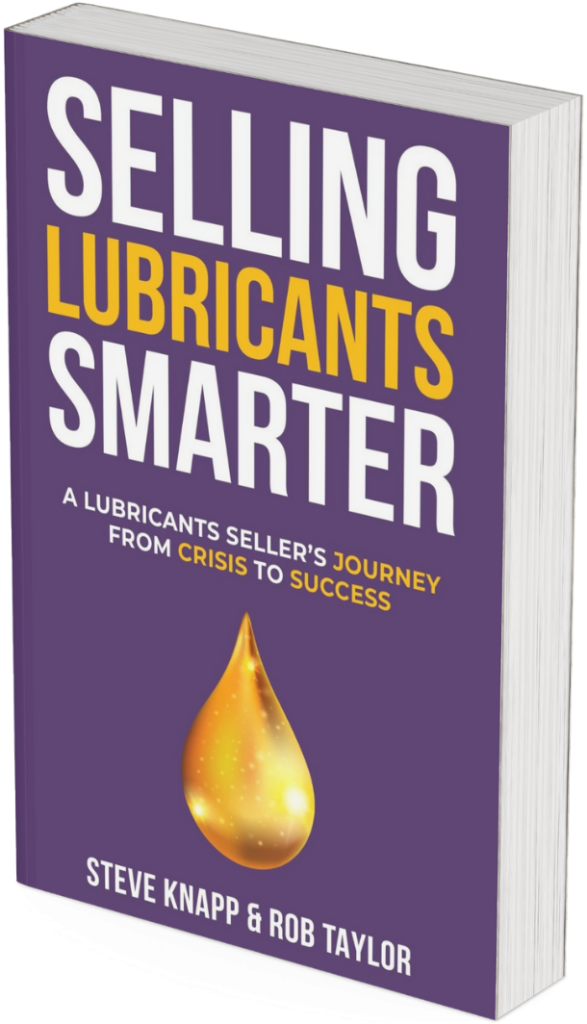
Sales Excellence Assessment, Analysis and Plan
A measured, evidence-led baseline of your sales function, built from your own team's input, validated in interview and turned into a prioritised set of recommendations to guide the following twelve months.




Built for the moment you need to know, not guess
Having the insight to know where you are and where you want to get to is critical. What is even more insightful is knowing how to get there. These are the moments when that matters most.
This is not about rushing into change; it is about clarity, focus, and sequencing the right work in the right order.
Create a factual baseline of current sales effectiveness and efficiency against the five cornerstone areas of the Sales Excellence Framework.
Understand the team's current working practices: habits, preferences and behaviours.
Each area is reviewed to paint a picture of the current sales approach, highlight gaps and opportunities, and set ambition against defined levels in the framework.
From a scope meeting to a plan the whole business can follow
Five phases, seven steps. Your team gives two inputs, a small group is interviewed, and we do the analysis. Here is exactly what happens, and what we need from you at each point.
Scope
Timeline, scope and expected outcomes agreed.
Your team's input
The feedback form, then the five pillar assessments.
Validation
Key themes tested in interview or workshop.
Analysis
Trends and themes across every data set.
Findings and plan
Presented to leadership, with the roadmap.
The scope meeting
In this meeting we will discuss the timeline, scope and expectations of the team who will be contributing to the assessment. We will answer any questions and be sure to underline expected outcomes of the assessment.
Your message to the team
This important framing will encourage buy in from the sales team and leadership who need to champion the input into the process.
The Sales Feedback Form
The first of the two interventions required from the salesforce, this qualitative piece will offer fantastic insights relevant to your business, offering voices and perspectives you may not otherwise hear.
The five pillar assessments
This comprehensive piece is designed to explore the behaviours and tools that are evident, or not, across the organisation. The five assessments explore the five pillars of the Sales Excellence Framework and will offer a unique benchmark for your organisation.
Validation interviews
It is important to identify key themes from the initial data set and use the validation session to build a clear picture around those themes. This stage offers an excellent place for better understanding and engagement between Plan Grow Do and the organisation.
Analysis and report writing
From the initial sales feedback form, the completion of the sales assessment questionnaires and the validation process, we will refer to the various data sets and observations to analyse key trends and themes to create a clear benchmark for the organisation.
Findings, the plan and the close-out discussion
Once analysed, the data will be presented in a way that offers key insights wholly relevant to your business. This presentation will share findings specifically from your own organisation's responses against the Sales Excellence Framework and be enhanced with wider B2B data to create a specific roadmap of short, medium and longer term opportunities, along with areas of strength to develop.
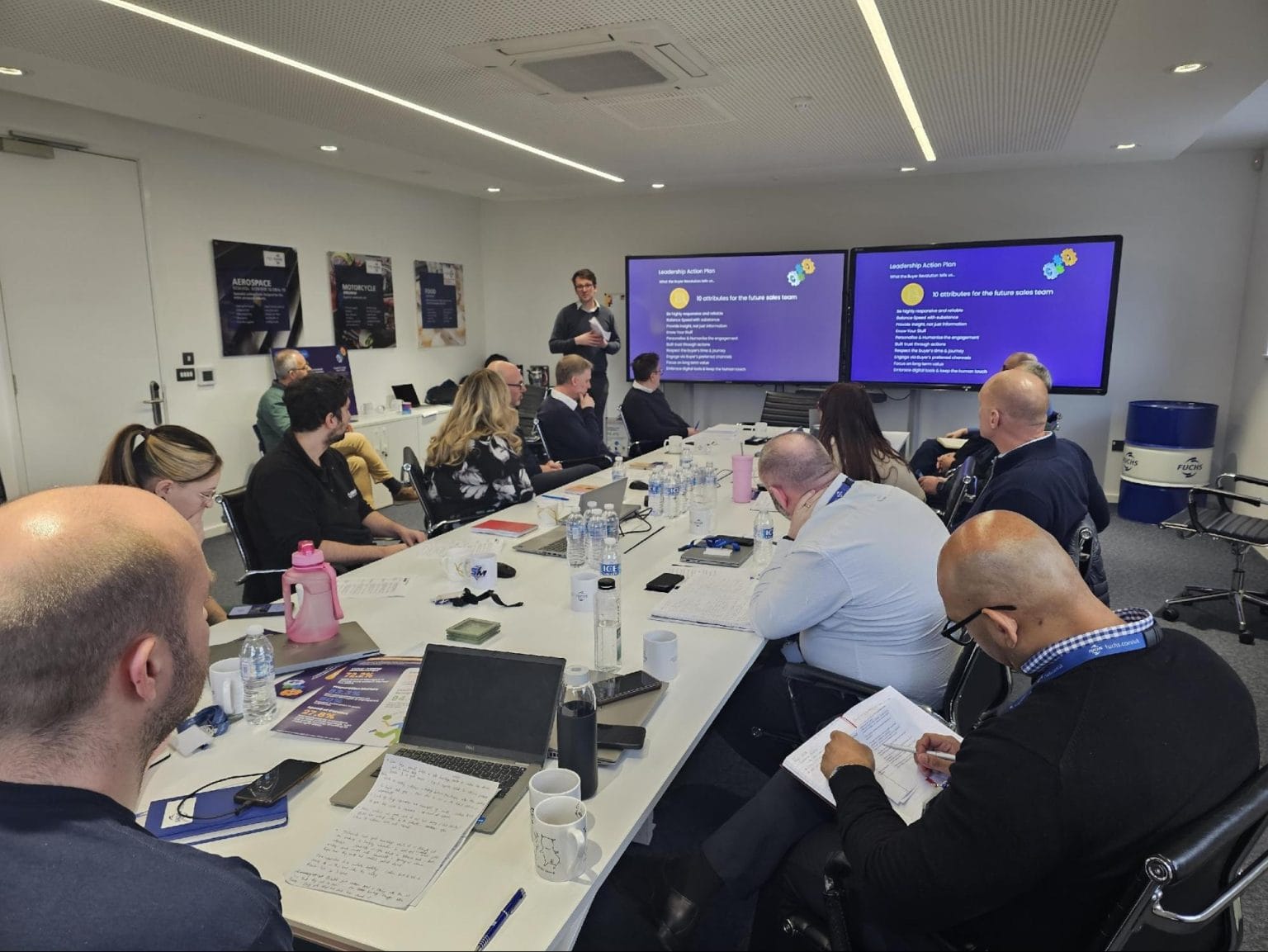
Three groups, each asked for exactly what only they can give
Agrees the scope, frames the work for the team in their own name, and receives the findings and the plan.
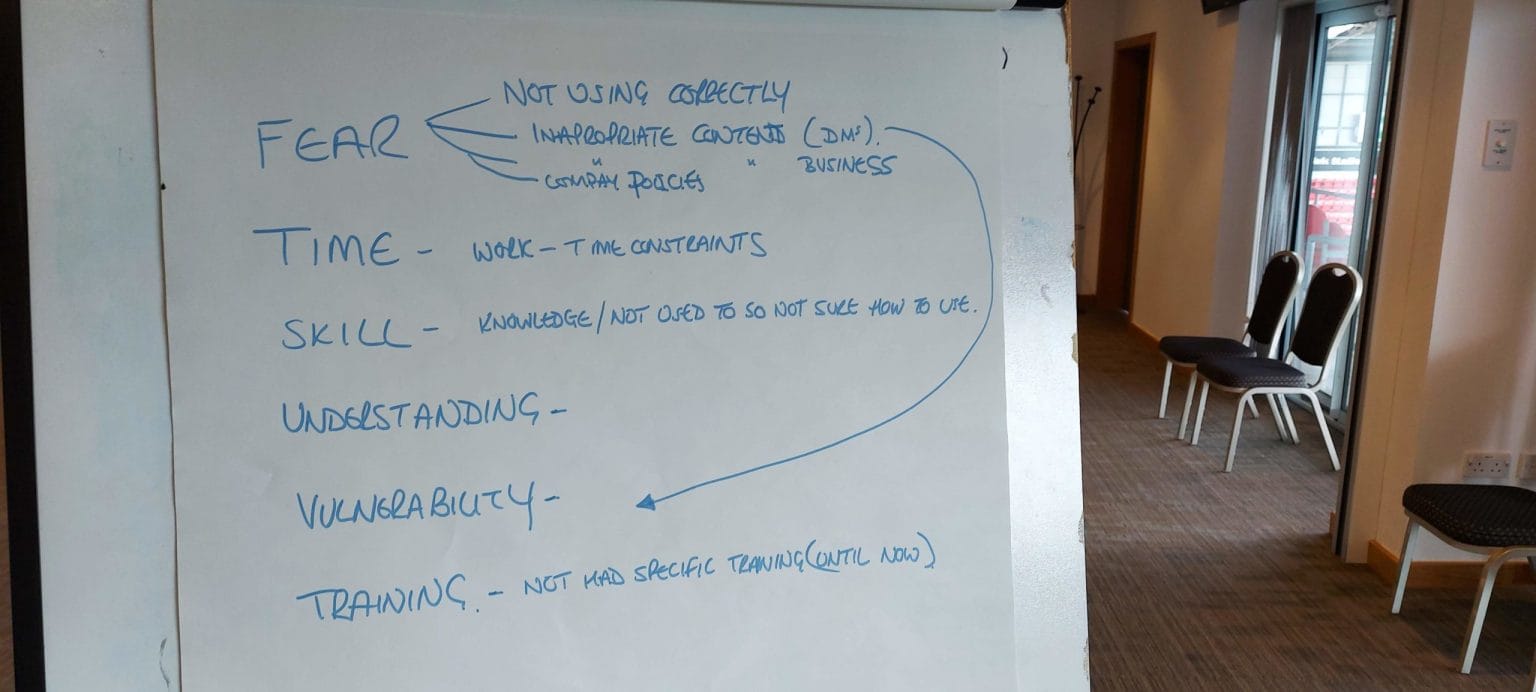
Week 1 and weeks 11 to 12Gives the two inputs: the Sales Feedback Form, then the five pillar assessments. Voices and perspectives leadership may not otherwise hear.
Weeks 1 to 5Take part in structured digital interviews, guided by the framework, to test and explain the themes in the data.
Weeks 5 to 7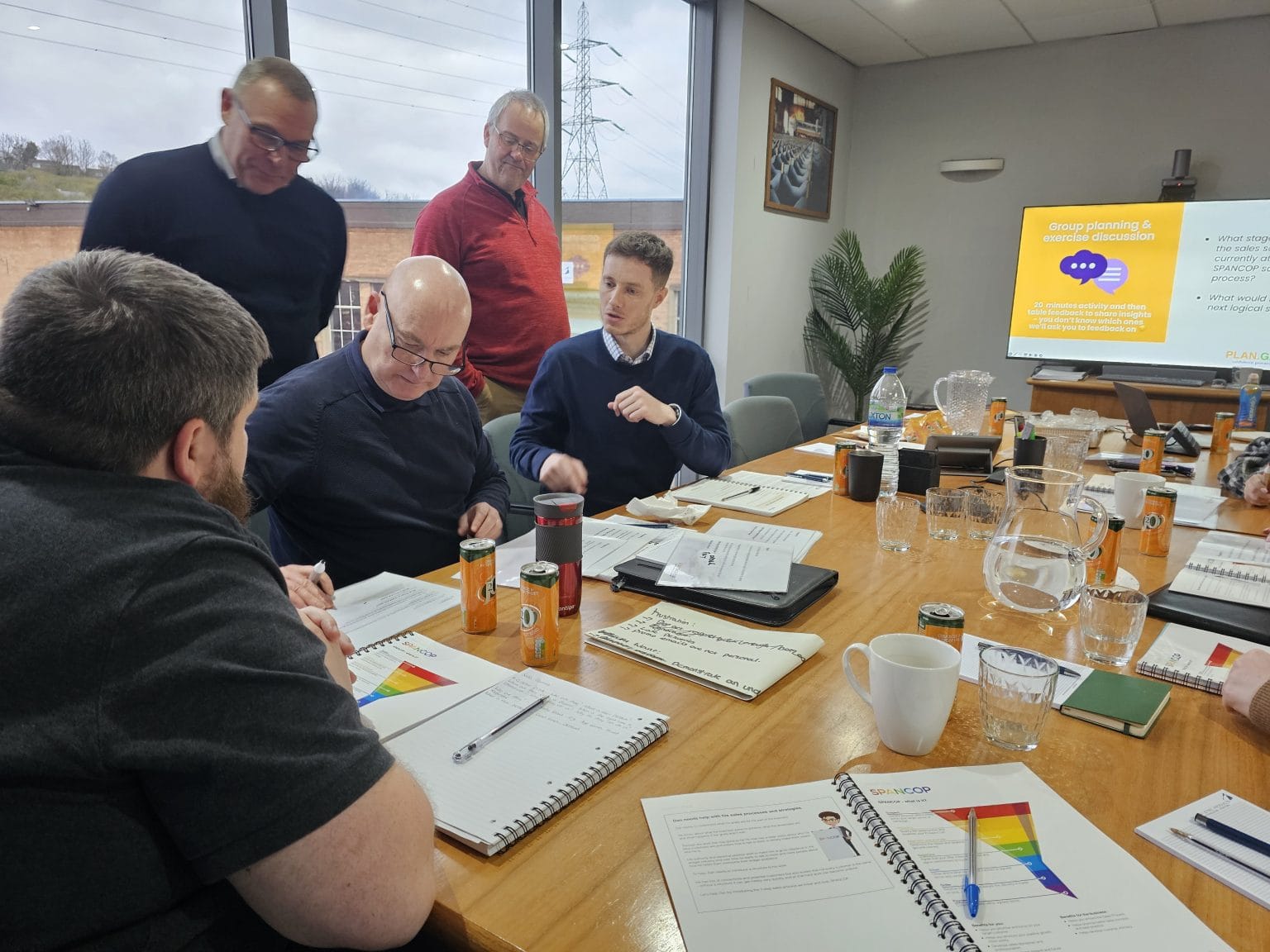
Two inputs. Their words first, then the framework.
The Sales Feedback Form
Open questions, answered in their own words, so the first thing we hear is how the team sees the job.
- How important is sales as a function in your organisation, and what makes you say this?
- How clear are you about the sales strategy, and the part you play in delivering it?
- What does a typical sales week look like in your role?
- How does your week break down: customer-facing time, sales admin and planning, internal admin and meetings, digital, travel?
- Which sales skill would help you improve the most?
- What do you think the future of sales will look like?
The five pillar assessments
Every capability in the framework, rated on the same four levels, exploring the behaviours and tools that are evident, or not, across the organisation.
Where you are, why it is like that, and what to do next
Findings are collated into a report and presented to leadership, including your plotted position on the framework. The recommendations directly inform any next phases of work, in strategy and in training.
The baseline
- A baseline score and heat mapAcross all five pillars of the framework.
- Your plotted positionOn the framework's two axes and four levels.
- Tools and behaviours, scoredFor each pillar, then one aggregated view of the business.
- The current behavioural impactHow today's habits shape today's results.
The evidence
- Evidence-based blockersWhat gets in the way, and where.
- The team's own wordsQualitative feedback, collated by pillar.
- Key highlights and gapsPillar by pillar.
- Questions for considerationThe questions leadership should be asking next.
The plan
- Commentary and actionable insightsStrategic and operational recommendations.
- A roadmapShort, medium and longer term opportunities, and the strengths to build on.
- A training roadmapBuilt from the findings, not from a catalogue.
- An executive summaryThe findings and recommendations, for the board.
The shape of one view in the report. Every figure here is illustrative, not client data. In the real report each pillar is scored from your own team's answers, then brought together into one view of the business.
From opinions about sales to a plan the business can act on
Your readiness report becomes week one
Already taken the free readiness assessment? Bring it.
Your report plots your own view of the business on the framework, with three moves. It goes straight into the scope meeting, and the programme then tests it against your team's view. The gap between the two is usually the finding.
Your report has a button that sends it to Steve with three short questions. Not taken it yet? It takes about five minutes, and you will arrive at the first conversation with your position already plotted.
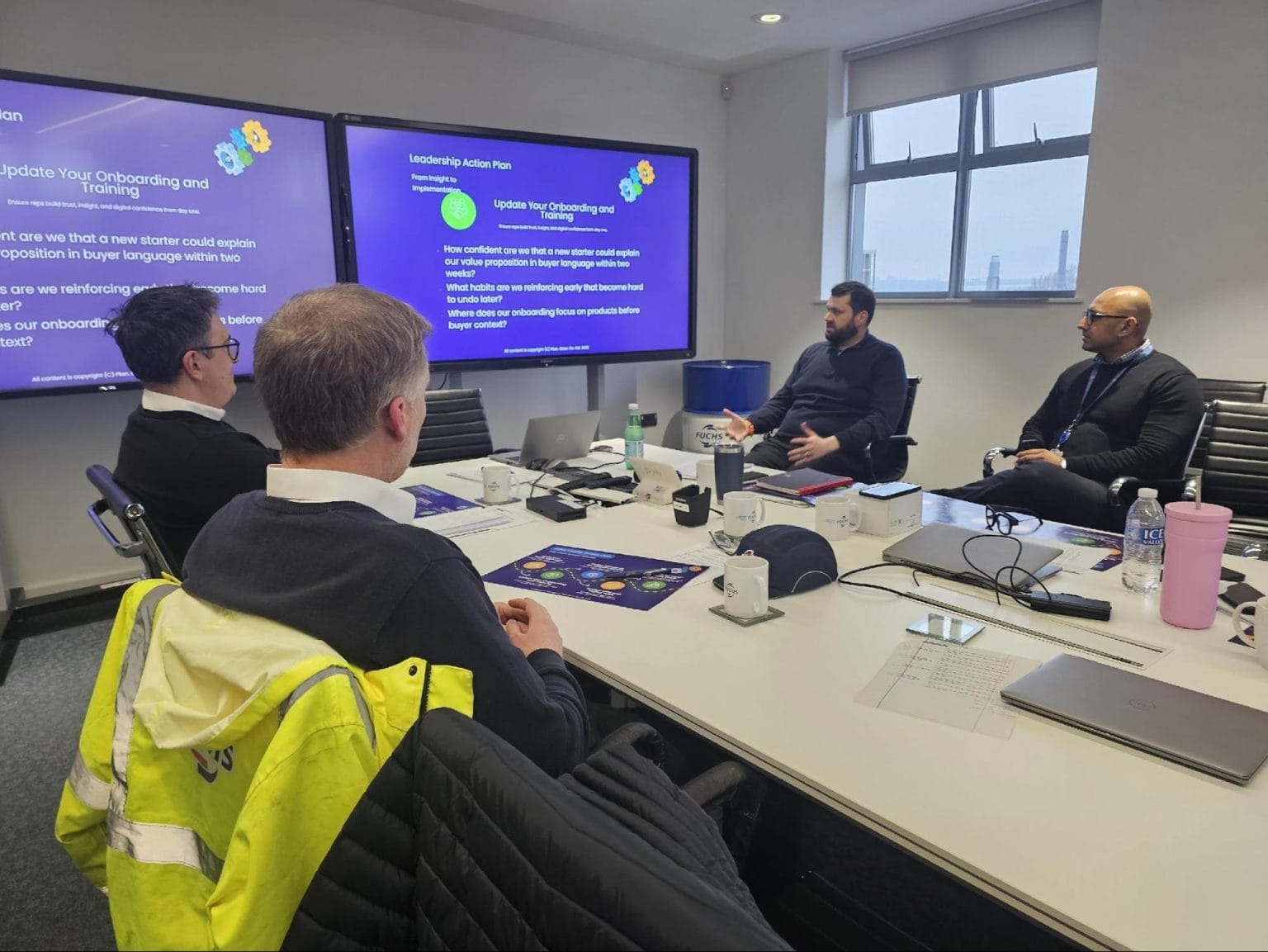
The people who built the framework, in the room with you
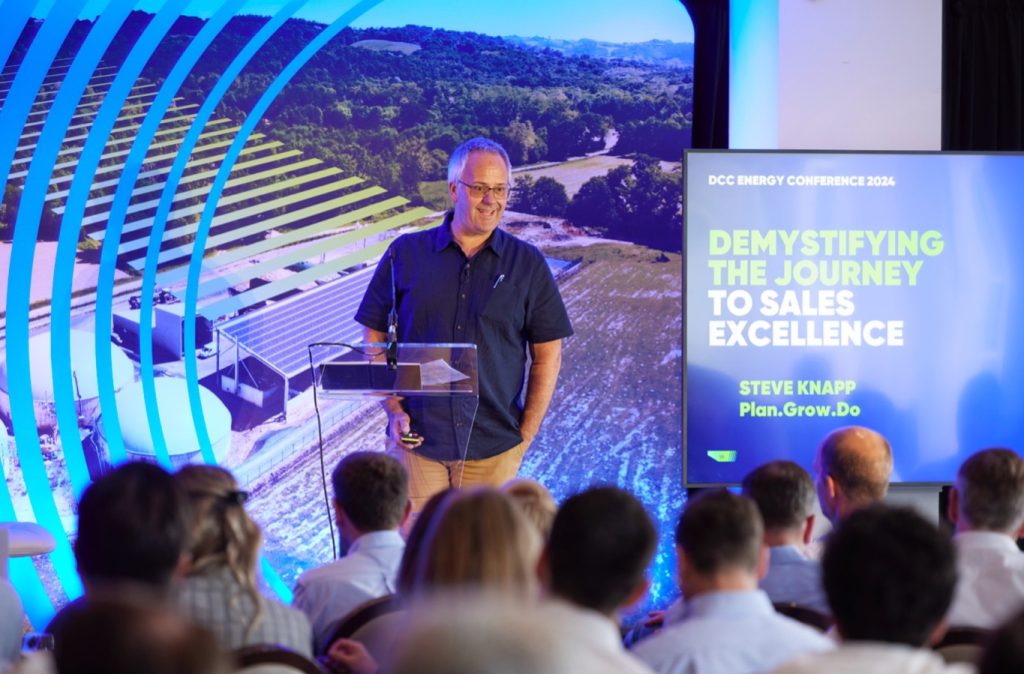
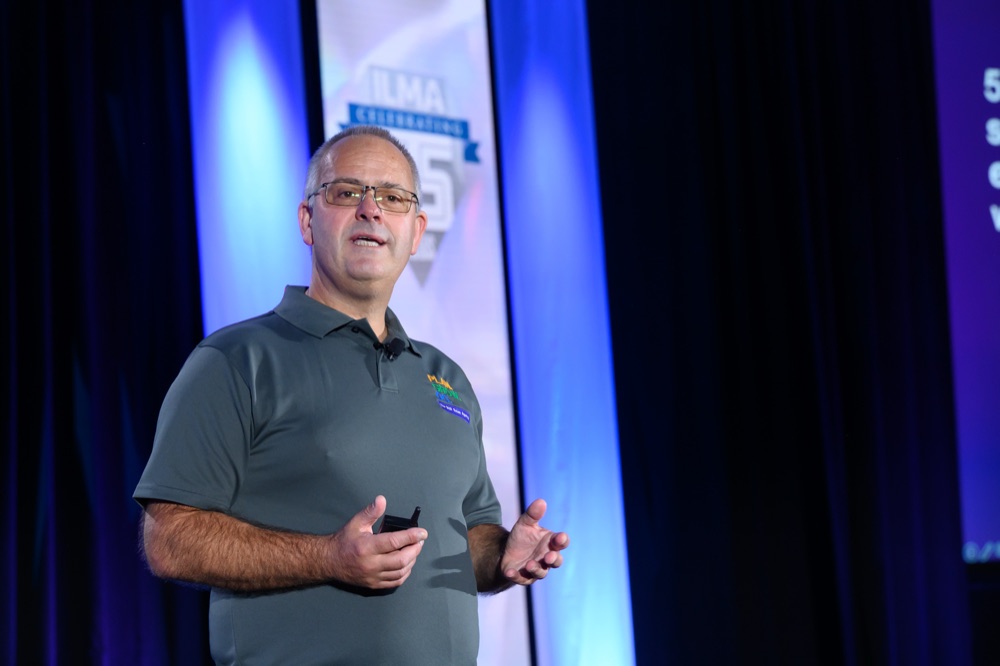
Steve has spent a career at the sharp end of industrial sales. Having led international sales programmes across the globe, he has spent many years helping organisations improve sales leadership, commercial process and customer engagement.
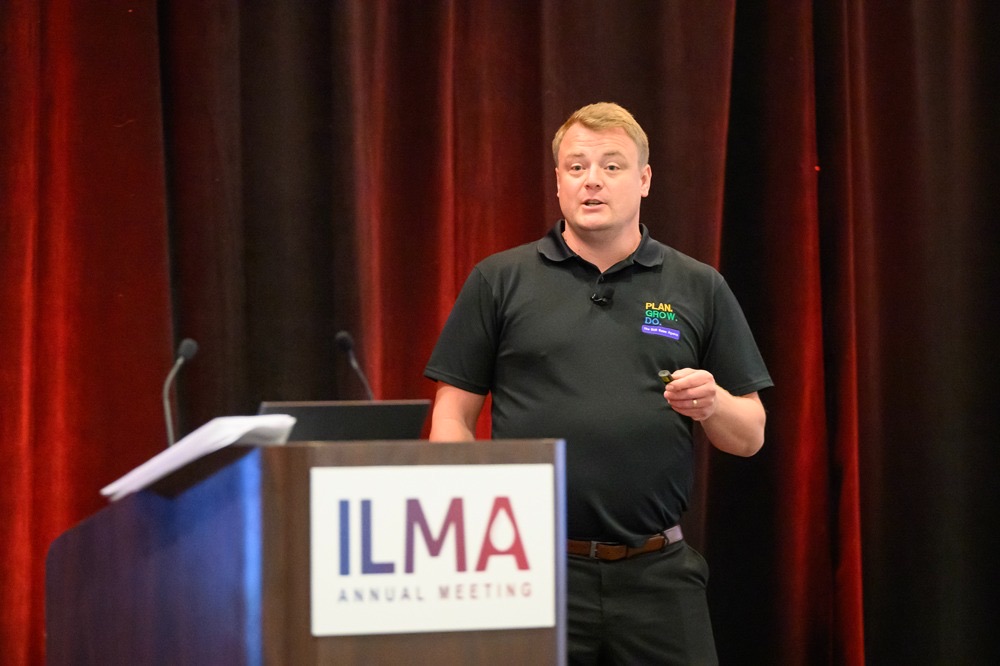
Rob has spent more than two decades helping organisations navigate digital change, commercial transformation and evolving buyer behaviour. He leads the development of Buyer Revolution and the AI Readiness Research.
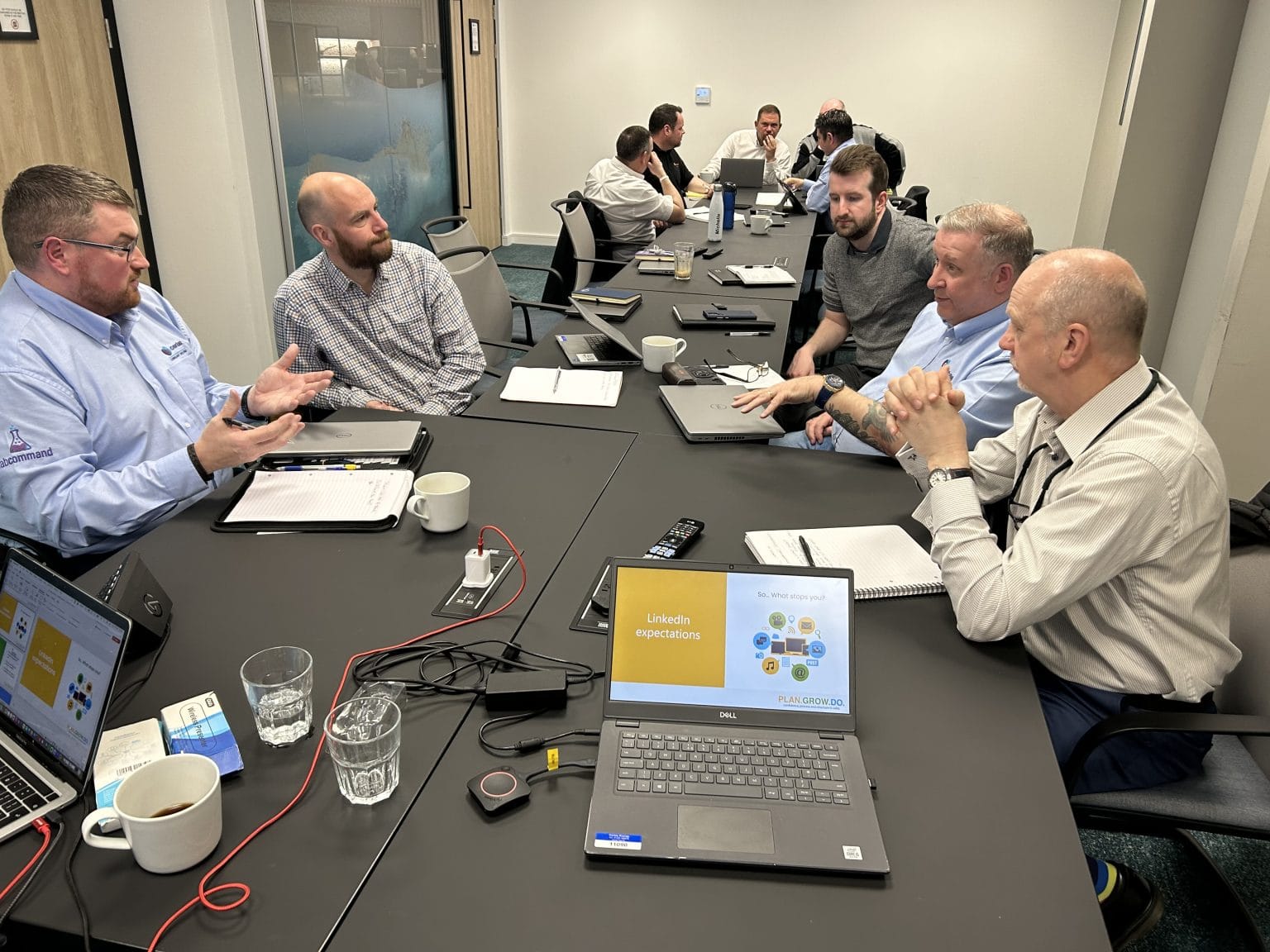
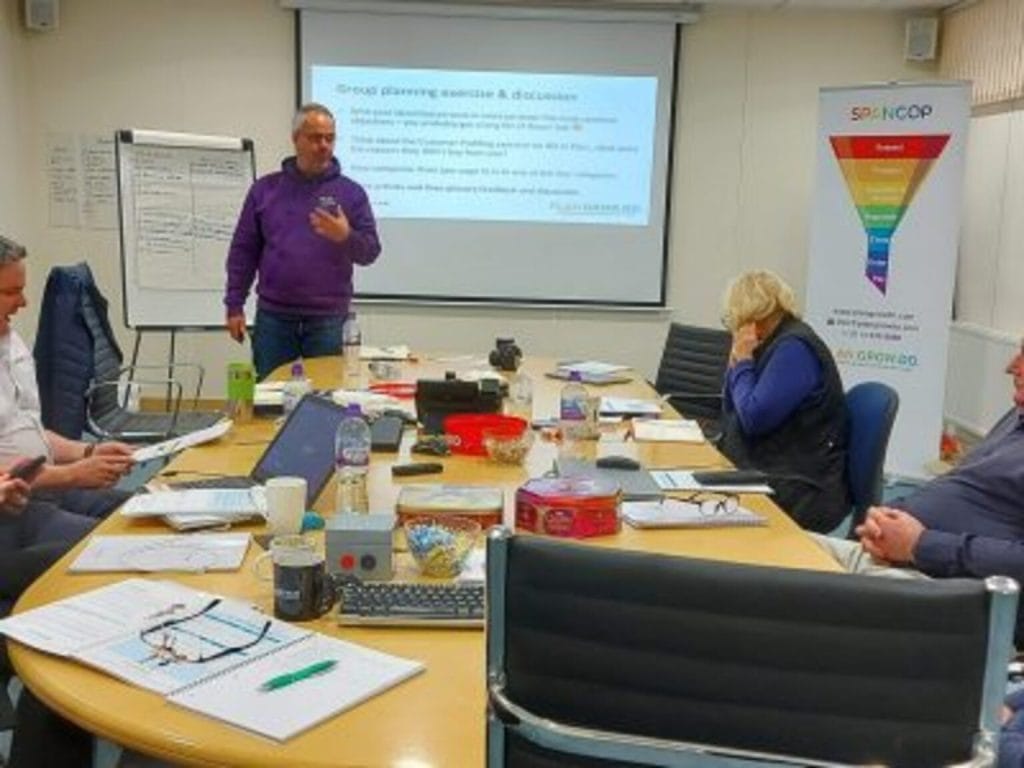
Leadership teams, working through it together
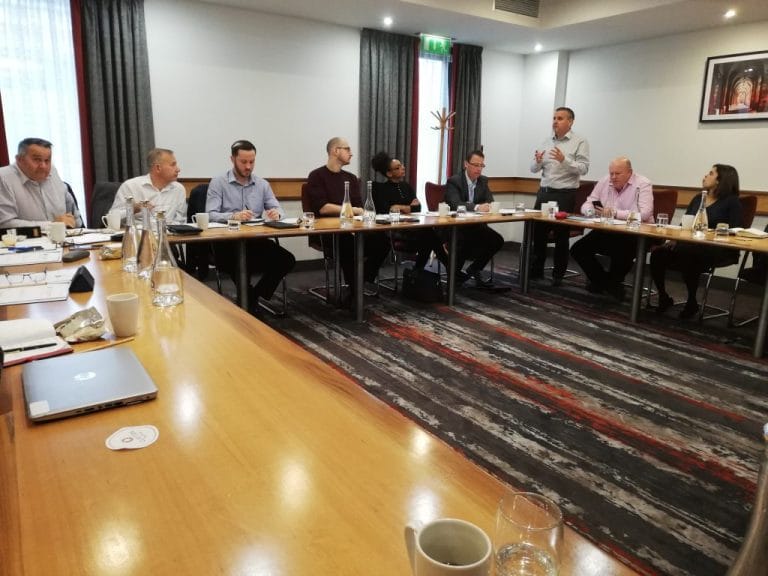
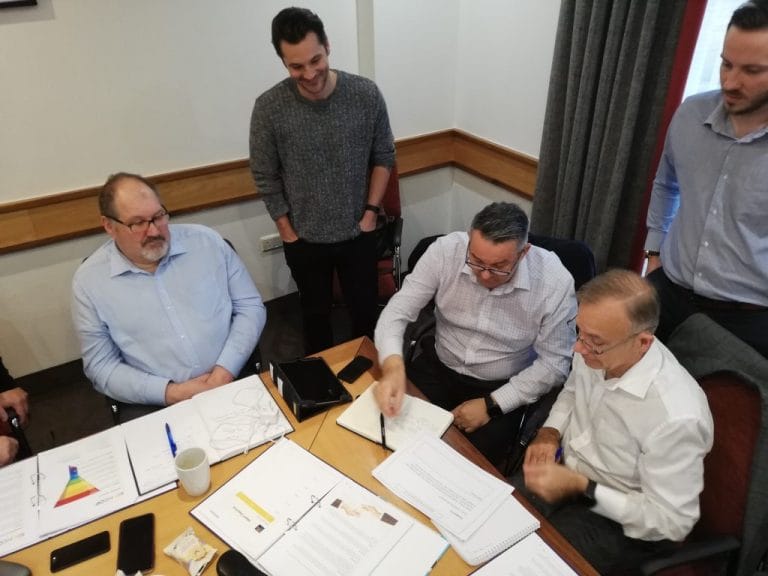
Assessment, Analysis and Plan FAQs
What is the Sales Excellence Assessment, Analysis and Plan?
How much does it cost and how long does it take?
What do we need to provide?
Who from our side is involved?
What does leadership receive at the end?
Can it be delivered remotely?
We have taken the free readiness assessment. Does it help?
What happens after the twelve weeks?
Twelve weeks to a plan the whole business can follow
Start with a conversation, or with five minutes on the free readiness assessment. Either way, Steve will be the first person you speak to.
Talk to Steve about the programme
Tell us about your sales function, how many people sell for you, and what the next twelve months need to deliver. Prefer email? steve@plangrowdo.com
Published 5 October 2026. Last updated 5 October 2026.