Published 8 October 2025 · Last updated 15 July 2026
Share this article
From Fine Art to Lubricant Expo: Annie Lindsell on Purpose, People, and Passion
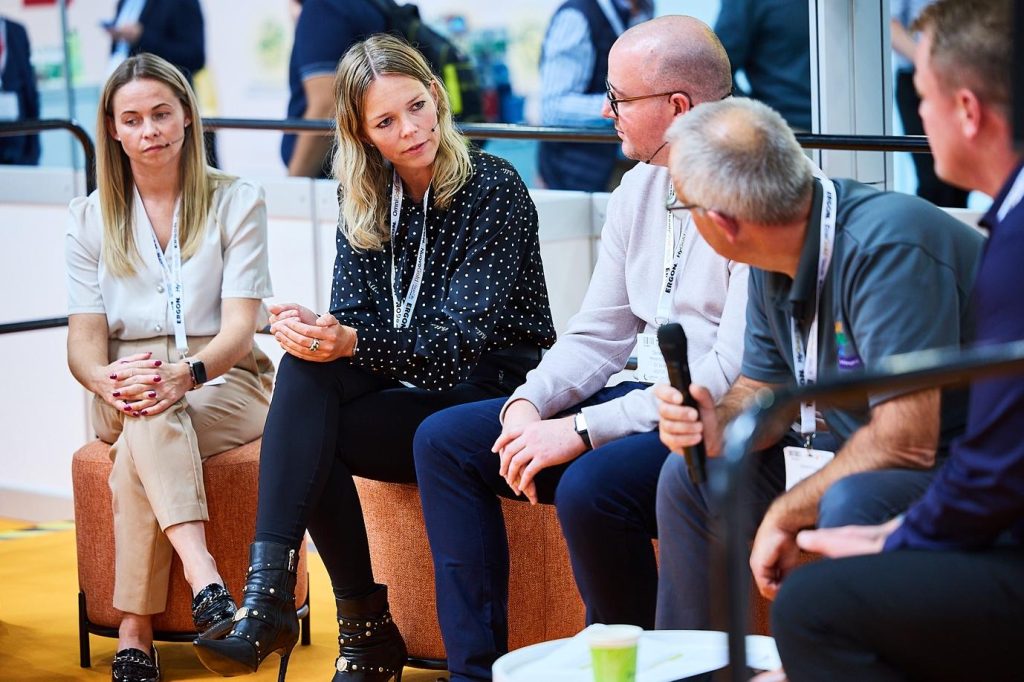
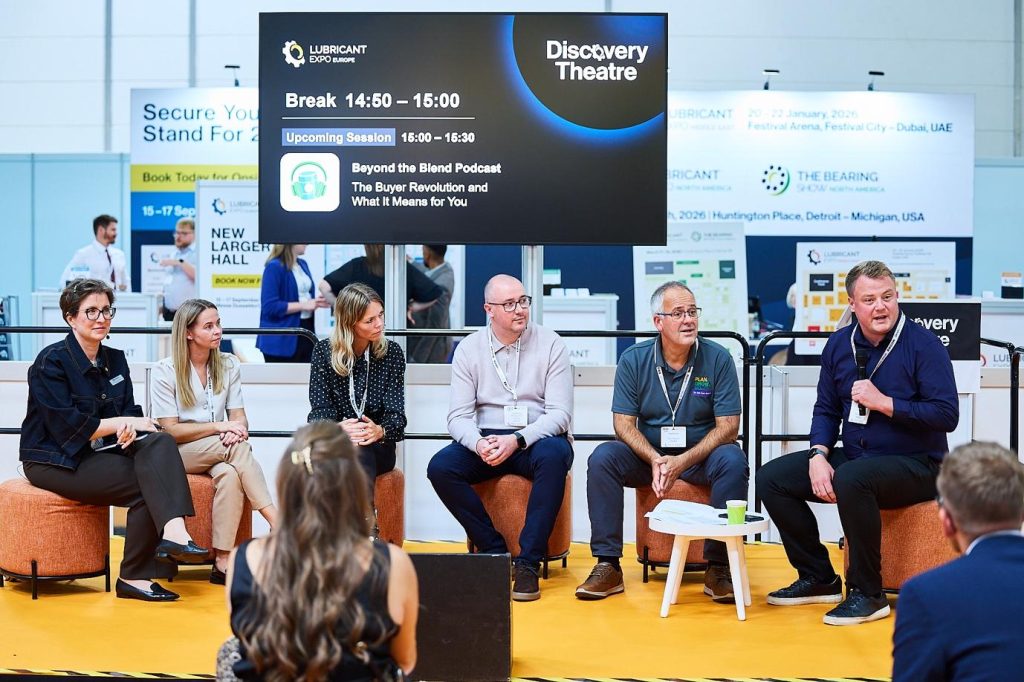
The Beyond The Blend LIVE session at Lubricant Expo in Düsseldorf brought together six industry voices to explore findings from the Buyer Revolution research. With more than 25,000 data points, the research reveals how buyers behave, what frustrates them, and what they want from suppliers. The panel, hosted by Rob Taylor and Steve Knapp from Plan Grow Do, explored how these insights translate into real-world practice. From speed of response to the value of application knowledge, the discussion painted a clear picture: buyers are changing fast, and the industry needs to keep up.
Speed of Response and Perception
Lisanne Hoolwerf of Olyslager emphasised that perception defines whether a supplier is truly responsive. Buyers expect acknowledgement and relevance within hours, not days. A fast but empty reply is no longer enough; customers want proof that their issue is being taken seriously. Several panellists reinforced the idea that “all hands on deck” should be the standard, where technical experts and supply chain colleagues step in to support sales teams in meeting critical deadlines. Even a holding response shows buyers that they have been heard. The message was clear: speed matters, but perception and follow-through matter even more.
Key takeaways:
- Buyers judge response quality on perception, not internal intent.
- The first 3 hours are critical to securing buyer confidence.
- Acknowledging receipt is as valuable as providing a full solution.
Educated Buyers and the Challenge for Sellers
Daniel Tait from Oil Store shared his perspective on the “solve your own problems” trend, where 71% of buyers define their needs before speaking to suppliers. He stressed that sellers should avoid creating roadblocks when customers approach with ready-made solutions. Instead, they should validate the research and carefully step in to guide if necessary. Other panellists agreed that ego often gets in the way, with salespeople eager to deliver pitches instead of listening. The balance lies in supporting buyers’ conclusions while checking technical details that could prevent costly mistakes. Speed, empathy, and validation are vital.
Key takeaways:
- 71% of buyers arrive with needs defined – sellers must validate, not override.
- Ego-driven sales pitches often alienate informed buyers.
- Support buyers’ research while ensuring technical accuracy.
Application Knowledge over Product Pitch
Jade Thompson from RecondOil pointed out that application knowledge is now more valuable than product features. Buyers are already informed about brands and specifications; what they lack is insight into how lubricants impact operations, downtime, or efficiency. Lisanne Hoolwerf echoed that account managers must go beyond listening and bring genuine added value by anticipating challenges. Yet, the industry faces a skills gap – many account managers lack time or training to develop this expertise. Those who double down on understanding applications and processes will stand out. Buyers don’t need more marketing claims; they need context and confidence.
Key takeaways:
- Buyers expect proactive application insights, not product recitals.
- There is a skills gap in account managers’ technical and operational knowledge.
- Application knowledge differentiates sellers far more than marketing claims.
Long-Term Value versus Short-Term Targets
Elisa Swanson-Parbäck of Perstorp reminded the panel that two-thirds of buyers feel managed for quarterly results rather than supported for long-term improvement. Her analogy of being “Alfred to Batman” or “Q to Bond” captured the idea of helping customers be the heroes in their organisations. Long-term partnerships come from anticipating challenges, supporting reporting needs, and providing consistent solutions – not chasing targets. Measuring customer lifetime value, rather than quarterly sales, could change industry behaviour for the better. Daniel Tait reinforced this by stating, “If you provide the service, you don’t need to sell.” Service-first approaches create durable loyalty.
Key takeaways:
- 67% of buyers feel “managed” for targets instead of supported.
- Service-first approaches eliminate the need for “hard selling.”
- Measuring customer lifetime value could reshape industry incentives.
Outdated Sales Habits to Stop
The session closed with a quickfire round, asking panellists what sales behaviours waste buyers’ time.
Sales habits to stop:
- Daniel Tait: Coffee calls – agenda-free, time-wasting meetings.
- Lisanne Hoolwerf: Talking too much – instead, listen and ask more questions.
- Jade Thompson: Dropping in uninvited – first confirm if you’re actually needed.
- Elisa Swanson-Parbäck: Learning about people personally instead of understanding their business challenges.
- Steve Knapp: Forgetting to put yourself in the customer’s shoes.
Summary
The live discussion at Lubricant Expo confirmed that lubricant buyers are better informed, more demanding, and less tolerant of poor practices than ever before. They value speed, empathy, and insight, not product pitches or wasted time. They want account managers who understand applications and operations, not just specifications. And they want suppliers who prioritise long-term partnerships over quarterly numbers. The panel made one thing certain: success in the lubricant industry now depends on evolving with the buyer.
👉 To hear the full discussion, subscribe to Beyond The Blend on Spotify, Apple Podcasts, or your preferred platform.
For more about The Buyer Revolution, jump over to https://www.thebuyerrevolution.com for our unique online self study programme and check out the Buyer Revolution Workshop!