Published 23 July 2025 · Last updated 26 August 2026
Share this article
The Sales Pipeline Illusion: Why Your Funnel Looks Full but Isn't Flowing
In today’s B2B sales world, there’s a lot of buzz about buyer journeys.
But here’s something many sales teams quietly struggle with: they’re still stuck managing sales funnels.
And while both concepts are important, they are not the same thing and confusing them can cost you deals, waste resources, and frustrate your buyers.
In this article, we’ll break down:
- The difference between the sales funnel and the buyer journey
- Why it matters for modern sales teams
- How to align your sales approach with today’s buying behaviours
What’s the difference between a sales funnel and a buyer journey?
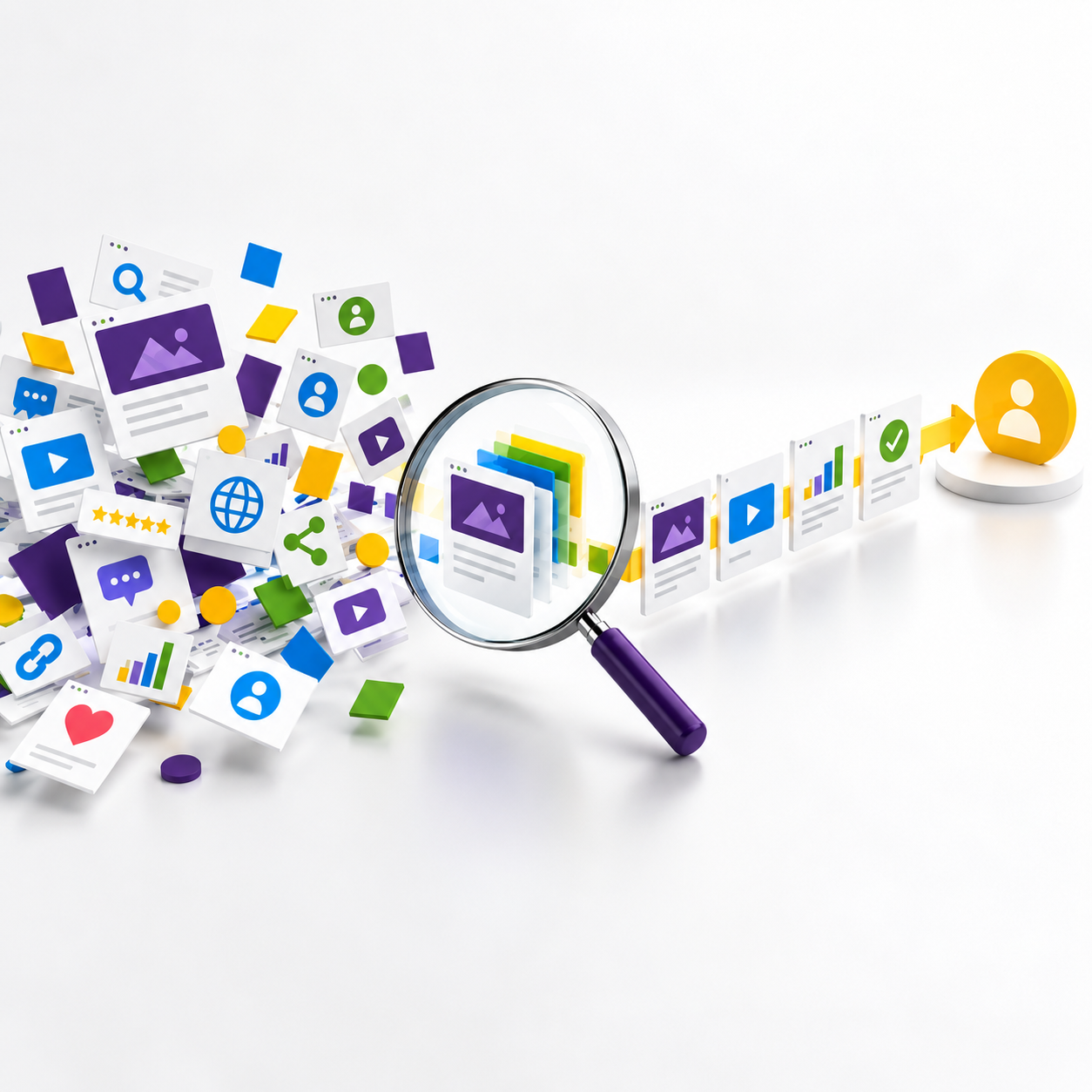
A sales funnel is an internal tool.
It helps your sales team track the progress of leads and opportunities through defined stages:
- Suspect → Prospect → Lead → Opportunity → Customer → Renewal
A buyer journey is an external reality.
It describes the stages a buyer goes through, often independently, from awareness to consideration to decision.
Key difference:
The funnel focuses on how you sell.
The journey focuses on how they buy.
Why does the sales funnel vs. buyer journey gap matter?
Here’s the challenge: buyers today often do most of their research before ever talking to a seller.
When companies assume they can “lead” buyers through a funnel, they miss the fact that:
- Buyers move at their own pace
- Buyers can jump stages or loop back
- Buyers often engage after they’ve already made key decisions
If your sales process doesn’t account for this, you risk:
❌ Misaligned messaging
❌ Poor customer experience
❌ Low conversion rates
Suspect vs. Prospect: A simple but critical distinction
Many sales teams don’t clearly separate suspects (people you think might buy) from prospects (people showing buying intent).
Why does this matter?
- You don’t want to waste time hard-selling to suspects who are still just researching.
- You want to invest in guiding prospects who are signalling readiness.
Understanding this difference helps your sales team prioritise better and engage more effectively.
How can sales teams align funnels and buyer journeys?
Here are three practical steps you can take today:
1. Map your sales stages to buyer behaviours.
For each stage, ask: What is the buyer doing or thinking here?
2. Train your sales team on modern buying habits.
Help them understand how buyers gather information, what influences their decisions, and why old-school pipeline thinking may not apply.
3. Redefine success metrics.
Look beyond activity counts (calls, meetings) and focus on meaningful engagement and trust-building.
Final takeaway
Your sales funnel isn’t dead but it’s no longer the full picture.
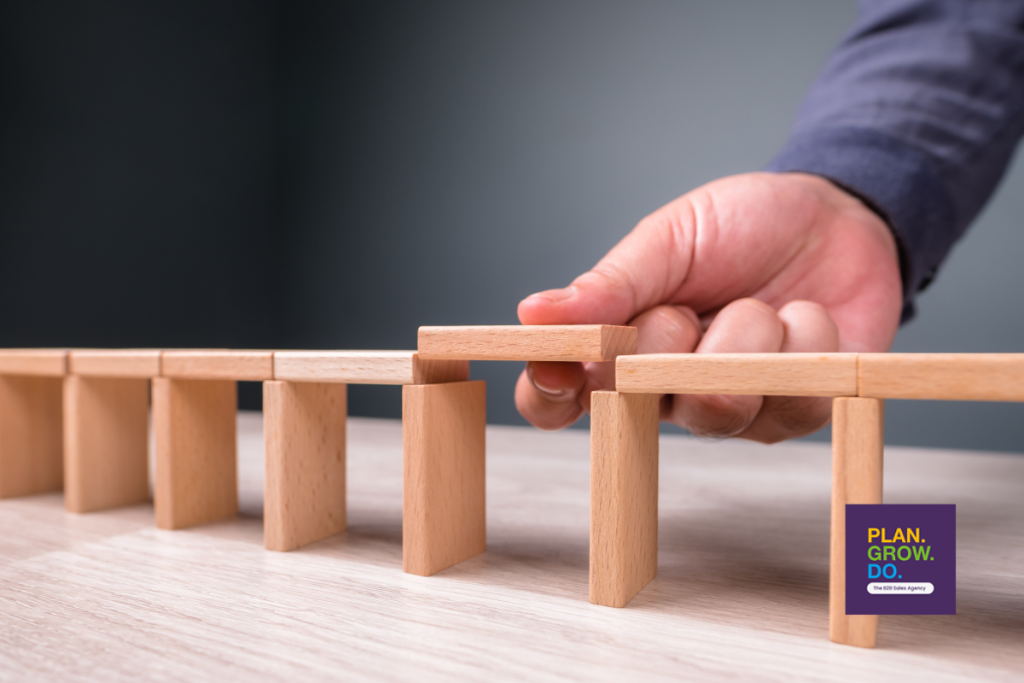
To win in today’s B2B landscape, your team must bridge the gap between how you sell and how your buyers buy.
Need help aligning your sales strategy with modern buyer behaviour?
At Plan Grow Do, we specialise in helping B2B sales teams transform performance, using unique buyer insights and practical training that connects marketing, sales, and customer success.
👉 Contact us today to learn how we can help your team sell smarter.