Published 4 July 2025 · Last updated 15 July 2026
Share this article
How to Influence Your End Users; Even When You’re One Step Removed
For lubricant manufacturers who sell through distributors, influencing the end user can feel like shouting through a closed door. You’re providing the product, but someone else owns the conversation.
Ken Research notes that in markets like the UK, “mechanics play a crucial role in guiding customers with limited technical knowledge” and wide channel availability further disperses point-of-purchase relevance . The question for lubricant manufacturers, then, is: how do you shape the end-user conversation when you’re not even in the room?
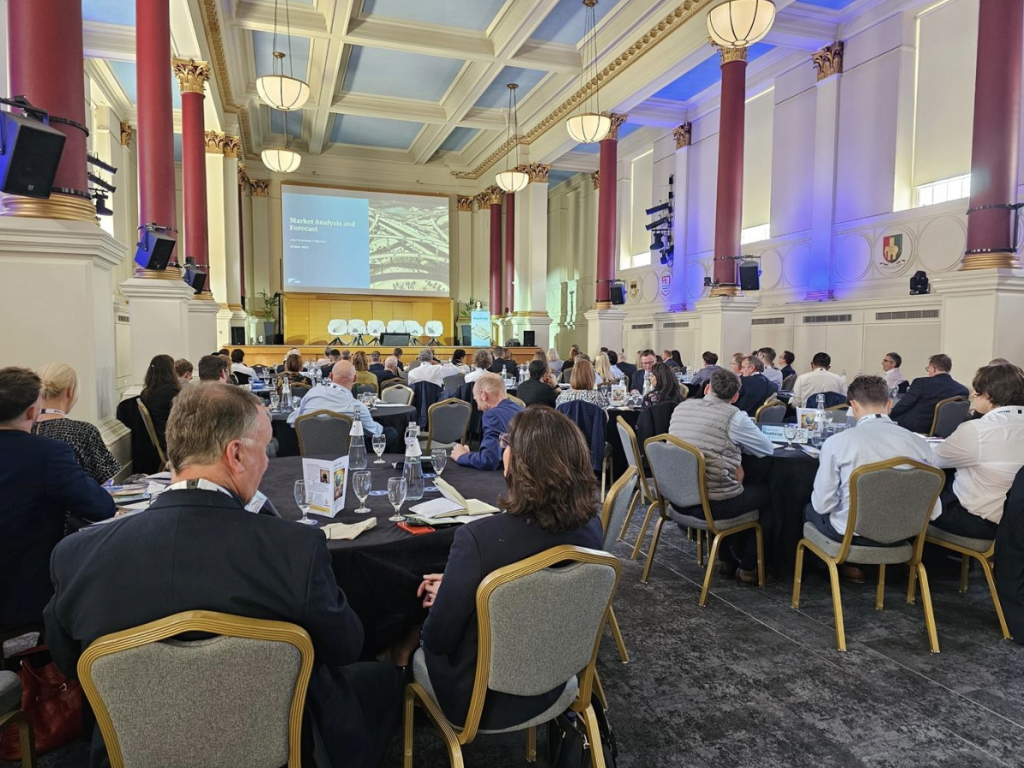
This is a question which connected with me at the 2025 UKLA Roadmap for success in the Lubricants Industry event in London.
The answer lies in understanding how buyers make decisions today, and aligning your actions to support that journey, even if you’re not in direct contact.
We’ve also answered one of the other questions we noticed during the panel discussion around the persistent advantages that smaller lubricants suppliers can focus on.
Understand the Buyer’s First Step (It’s might not be the Distributor!)
The myth that buyers wait to be “sold to” is dead. According to Buyer Revolution data, 94.1% of buyers conduct independent online research before speaking to anyone. That means you are being evaluated not just your product, but your website, your case studies, your pricing transparency, and your perceived value. And in most cases this is long before your distributor gets involved.
Even though your distributor controls the sale, you control the impression. Your digital footprint needs to work harder than ever. If you’re not present, useful, and relevant during the discovery phase, then you risk being invisible, no matter how strong your product is, and potentially making the job of your distributor even harder too.
Meet the Buyer Where They Are. Hint, think Digitally and Early
Buyers aren’t waiting for trade shows or phone calls. Buyer say they prefer digital meetings in the early stages of supplier research. And LinkedIn dominates, used by 91.7% of buyers as a primary platform for content and engagement.
If your content doesn’t speak directly to their challenges, in formats they use (e.g. technical explainers, sector case studies, quick-reference tools), you’re ceding influence to competitors who do. Distributors might control transactions but you can shape decisions by investing in early-stage influence. How are you supporting this journey today? How do you currently demonstrate value in a digital sense for the end user who is likely spying on products just like yours?
Personalisation Still Wins. But what personalisation is today has evolved. But have you moved with it?
It’s tempting to default to corporate messaging and let the brand speak for itself. But a large chunk of buyers say they prefer personalised communications over general brand outreach. In fact, trust is built more easily when buyers feel understood, not broadcast to. Think about your own preferences here. When was the last time you engaged with generic corporate messaging, desperate to find relevance to you? You most likely haven’t, right? Why would you?! It needs to be immediate, and it needs to be personalised.
This creates a clear opportunity: equip your distributors with tools that carry your brand, but deliver a personal, tailored experience. That might include:
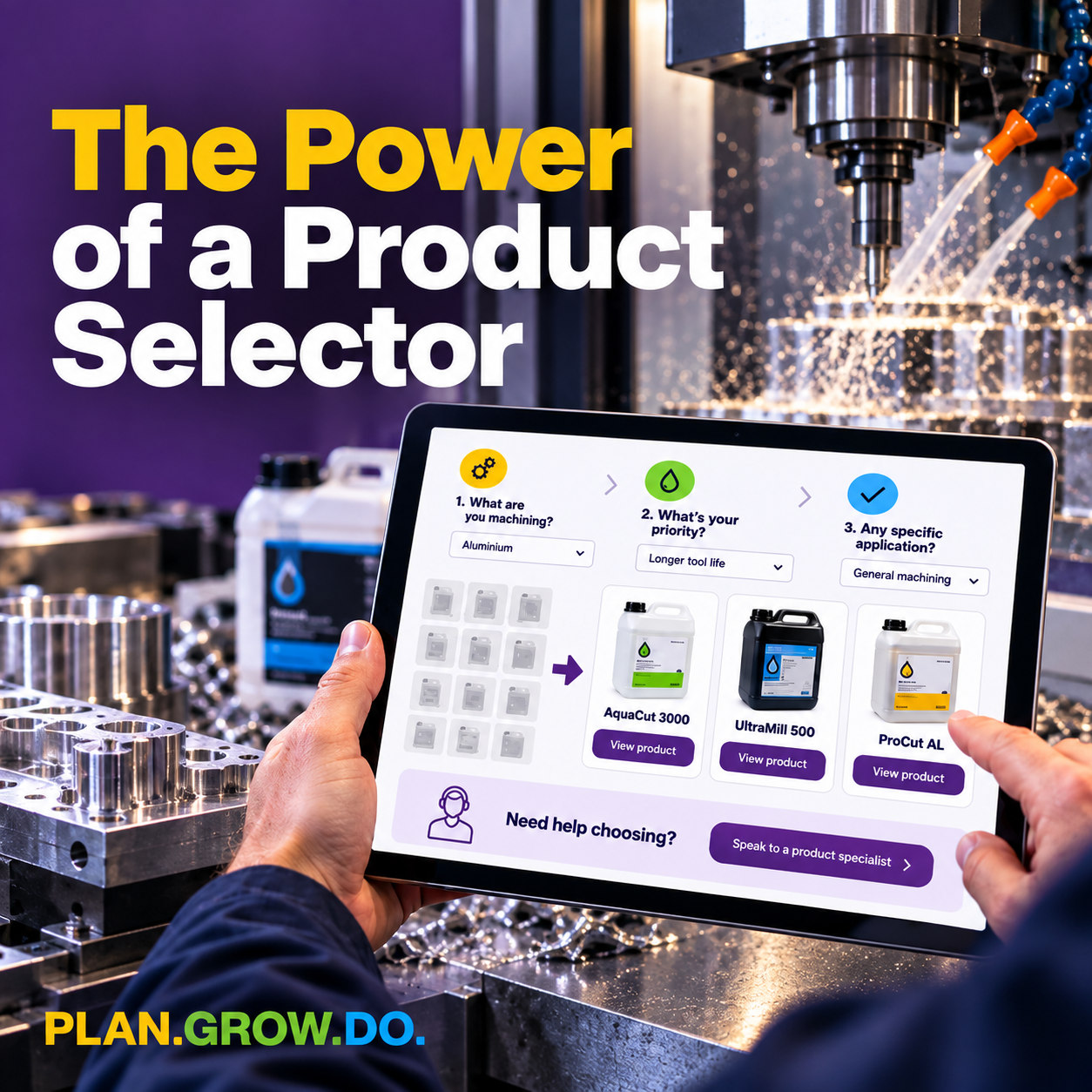
- Sector-specific pitch decks or cheat sheets
- Co-branded content aligned to end-user problems
- Smart prompts and sales messaging linked to customer roles
Treat Distributors as a Channel, Not a Barrier
Many suppliers focus inward, hoping the distributor will carry the torch. But your job doesn’t end at the loading bay. If you want to influence the end user, you need to enable the distributor with the same insights, data, and messaging you’d use yourself.
This means:
- Sharing buyer intelligence (e.g. what the data says buyers value most; speed, trust, expertise)
- Training on how to position your solution in a buyer-first way
- Co-owning the customer journey: From first touch to post-sale support
In a world where over 70% of buyers want value-adding relationships from their sales reps, your distributor can’t do this alone. But with your support, they can become powerful, aligned ambassadors and in turn might just trust your brand more when it comes to the next conversation. Be the one to empower the distributor, it may well just pay dividends in the long run.
Read more about why lubricants business must tell a better story to engage buyers and the supply chain in a more personalised way.
Influence Doesn’t Require Proximity
You may be one step removed from the end user, but you’re not powerless. End users are already forming opinions about your business. The question is whether those opinions are based on hearsay, perceived reputation or stigma, or on what you intentionally put into the market.
To influence end users:
- Be discoverable before they search for you
- Be useful before they buy from you
- Be personal even if you’re not present
- Be a partner to your distributors, not just a supplier
In the Buyer Revolution, influence isn’t granted, it’s earned. And the most successful suppliers are those who realise: even from a distance, you can still lead the conversation.
Try our B2B Sales Readiness Quiz to receive instant personalised insights for your sales function!